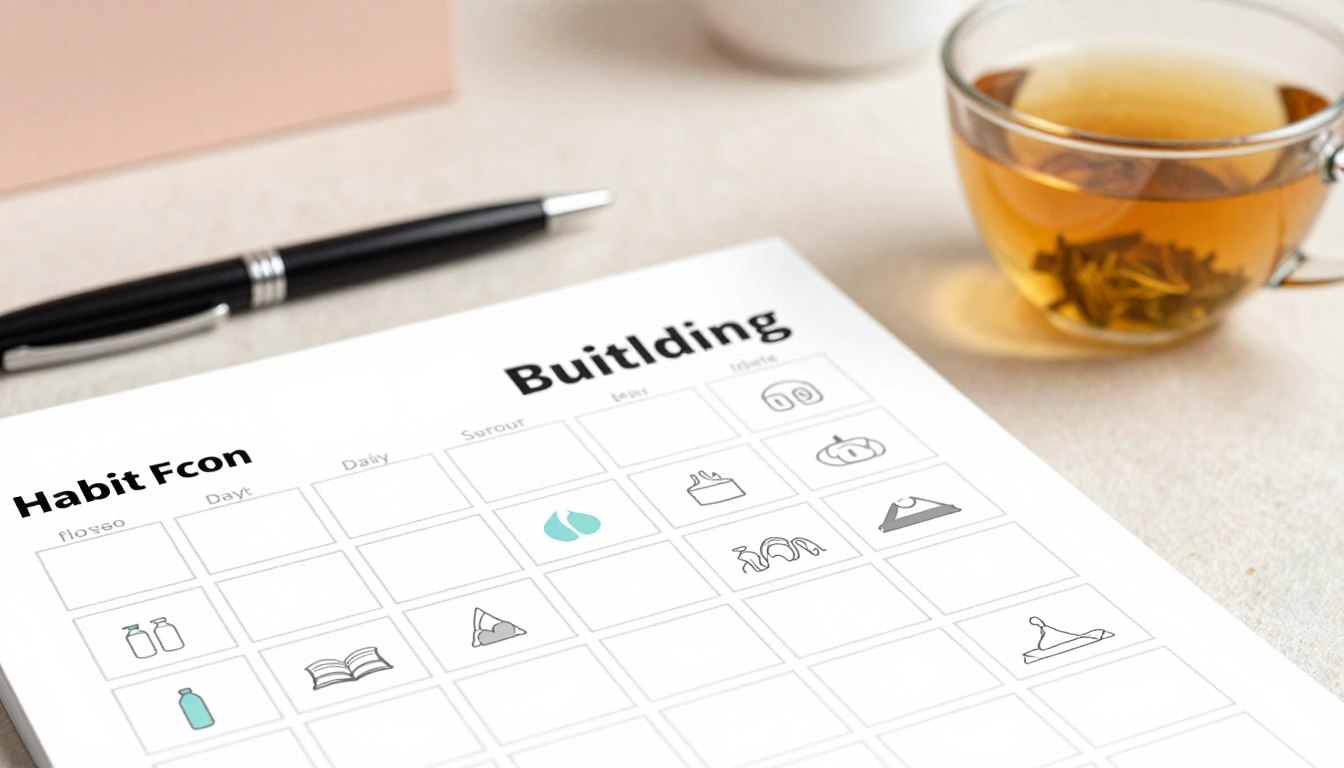
“Success is the sum of small efforts, repeated day in and day out.” — Robert Collier. The start of a new year is perfect for starting a new habit.
Maybe you want to lose weight or drink more water. The hard part is staying consistent. Small shifts can lead to big changes if you do them every day.
A habit tracker printable helps you stay on track. It shows your progress clearly. This makes it harder to miss a day of growth.
With a daily habit tracker, big goals become easy steps. You can change your life in a month by focusing on one thing at a time.
It’s easier to cut junk food or go to the gym when you see your success. You have the power to change your future, starting now.
Why the 30-Day Framework Actually Works for Building Habits
The 30-day timeline is great for building habits. It’s long enough to make a big difference. But it’s short enough to keep you focused and motivated.
Building habits means making a new routine and sticking to it. The 30-day framework helps you do this. It lets you start a new habit and make it a part of your life.
James Clear says small steps every day add up over time. This idea is key to the 30-day habit building plan. By doing something small every day, you can make a big change.
The Science Behind 30 Days of Consistency
Science shows that 30 days is when habits start to feel automatic. Using a habit tracker template or habit tracking sheet helps a lot during this time.
A habit tracker template keeps you organized and focused. It lets you see your progress and stay motivated.
Why This Timeline Balances Challenge and Achievability
The 30-day timeline is just right. It’s hard enough to keep you trying. But it’s easy enough to keep you going.
With a habit tracking sheet, you can see how you’re doing. You can find out what’s hard and make changes to keep going.
How to Choose the Right Habit to Track for 30 Days
Your 30-day journey starts with picking a habit to track. With a habit tracker pdf or habit tracker planner, you can build a new habit. But, choose a habit that fits your goals and lifestyle.
Think about what changes you want to see in your life. Do you want to get healthier, work better, or feel happier? Your goal should be clear, measurable, and doable in 30 days.
Starting Small: Your Best Strategy for Success
Starting small is a great way to build a new habit. Don’t try to change everything at once. Start with something simple, like a 10-minute walk each day.
- Start with habits that are easy and don’t take much time.
- Make the habit harder or longer as you get used to it.
- Focus on being consistent, not perfect.
Questions to Ask Before Committing to Your Habit
Before you start tracking a new habit, ask yourself a few questions:
- Is this habit good for my long-term goals?
- Can I keep up with this habit for 30 days?
- How will I fit this habit into my daily life?
- What challenges might I face, and how can I solve them?
Thinking about these questions helps you pick a habit you can stick with.
The Most Common First-Habit Mistakes to Avoid
Many people pick habits that are too hard or complicated. Remember, you want a habit you can keep up with. Common mistakes include:
- Setting goals that are too high.
- Not having a plan to keep up the habit.
- Not tracking your progress well.
Using a habit tracker planner helps you stay on track. By picking the right habit and using the right tools, you can make lasting changes in just 30 days.
What Makes a Habit Tracker Printable More Effective Than Apps

Choosing the right tool is key to building habits. A printable habit tracker log has special benefits that apps don’t. It can help you form habits better.
The Physical Connection: Why Paper Tracking Works
Using a physical tracker makes your goals feel real. Studies show writing down tasks by hand helps remember them better. It also makes you more likely to do them.
One user said, “Writing them down and checking them off makes a big difference. It feels like I’ve really done something.”
Marking off each day on your habit tracker design feels rewarding. It’s more fun and satisfying than digital marks.
Visual Progress You Can See Every Day
A printable tracker lets you see your progress. Seeing your achievements keeps you motivated and excited for the next day.
Seeing your progress helps you notice patterns. It’s easier to see when you missed a habit. This lets you think about how to do better next time.
| Feature | Printable Habit Tracker | Digital Habit Tracker |
|---|---|---|
| Physical Interaction | Provides a tangible connection | Lacks physical engagement |
| Visual Progress | Offers clear visual feedback | Can be less visually engaging |
| Distractions | No notifications or distractions | Can be prone to notifications |
No Notifications, No Distractions—Just Results
A big plus of a printable tracker is no distractions. Unlike apps, it doesn’t send reminders. It keeps you focused on your goal.
This means you can work on your habit without digital distractions. You stay focused and keep trying every day.
Essential Elements of an Effective Daily Habit Tracker

Creating a daily habit tracker is more than picking a template. You need to think about what works for you. A good habit tracker template makes tracking habits easy.
The Must-Have Components of Your Habit Tracking Sheet
A good habit tracking sheet has key parts. These parts help you track your habits well.
- A space for the date
- A checkbox or marking area for your habit
- A notes section for additional comments or insights
These parts help you see your progress and make changes when needed.
| Component | Description | Benefit |
|---|---|---|
| Date Space | Area to record the date | Helps track progress over time |
| Checkbox/Marking Area | Space to mark completion of the habit | Provides a visual cue of progress |
| Notes Section | Area for additional notes or comments | Allows for reflection and adjustment |
Choosing Between Different Habit Tracker Design Styles
Design styles can change how you track habits. You can pick from many layouts.
Minimalist Grid Designs
Minimalist grid designs are simple and easy to use. They are best for those who like simplicity.
Visual Calendar Layouts
Visual calendar layouts show your habits and schedule together. They are great for seeing your habits in your daily life.
Motivational Quote Trackers
Motivational quote trackers add inspiration to tracking habits. They help keep you motivated.
Customizing Your Habit Tracker Template for Your Needs
Customizing your habit tracker template makes it fit your needs. Whether digital or printable, making it yours is important.
Adding what works for you makes your tracker useful and motivating.
Step-by-Step Guide: Using Your Habit Tracker Printable

Using a habit tracker printable is easy. Our guide will show you how to download, print, and use it. This will help you build good habits.
Step 1: Download and Print Your Habit Tracker PDF
First, download your habit tracker PDF. Then, print it out. Choose paper that’s easy to read.
Step 2: Fill in Your Commitment and Start Date
Write down your commitment and start date on your habit tracker printable. This sets your goals and marks the beginning.
Step 3: Place Your Tracker Where You’ll See It Daily
Put your habit tracker somewhere you see it every day. Like on your fridge or near your mirror. Seeing it often helps you stay on track.
Step 4: Mark Your Progress Immediately After Completing Your Habit
Mark your habit on the tracker right after you do it. This makes your habit stronger and feels good.
Step 5: Conduct Weekly Check-Ins
Every week, look back at your progress. This helps you see how consistent you are and what you can improve.
| Step | Action | Benefit |
|---|---|---|
| 1 | Download and Print | Have a physical copy to track habits |
| 2 | Fill in Commitment and Start Date | Clarify your intentions and start date |
| 3 | Place Tracker in a Visible Spot | Daily reminders to track your habit |
| 4 | Mark Progress Immediately | Reinforces habit and tracks progress |
| 5 | Conduct Weekly Check-Ins | Reflect on progress and adjust as needed |
Setting Up Your Habit Tracker Planner for Maximum Results

Setting up your habit tracker planner right can really help you reach your goals. Write down your goal with a pen and paper. Then, check it off each day to see your progress.
To get the most out of your habit tracker planner, think about a few things. First, where you put your tracker is important. Next, tie your new habit to something you already do. Lastly, add accountability to keep you going.
Strategic Placement: Where Your Printable Habit Tracker Log Should Go
Put your printable habit tracker log somewhere you see it every day. It could be on your fridge, next to your computer, or on your mirror. This spot should remind you of your commitment every day.
- Near your morning coffee station to start your day with a reminder
- On your bathroom mirror to make it part of your daily routine
- Next to your computer or workspace to keep you focused throughout the day
Linking Your New Habit to an Existing Routine
Linking your new habit to something you already do is a smart move. For example, drinking more water can be tied to brushing your teeth. This way, you remember to do it every day.
By linking your new habit to a routine, you create a reminder. This makes it easier to keep up with your new habit.
Building Accountability Into Your System
Having someone to report to can really help you stay on track. This could be a friend, family member, or even a community online.
- Share your habit goals with a friend or family member and ask them to check in with you regularly.
- Join a community or forum where people are tracking similar habits.
- Use a accountability partner app or website to track your progress and receive support.
By using these tips in your habit tracker planner, you can do better at making new habits stick.
Navigating Your 30-Day Journey Week by Week
Starting a 30-day journey to build a new habit is exciting. Knowing the weekly goals helps a lot. Your daily habit tracker will guide you, keeping you motivated.
The 30 days are split into three parts. Each part has its own challenges and chances to grow. Knowing these parts helps you get ready and use your habit tracker design well.
Days 1-7: Building Momentum and Overcoming Friction
The first week is about starting strong. You’ll feel eager to begin your new habit. But, you might face some initial hurdles.
Start with small steps. Celebrate every small win. Use your daily habit tracker to see how you’re doing.
Days 8-21: Pushing Through the Motivation Valley
By the second week, the excitement might fade. You might hit a “motivation valley.” This is a time when sticking to it is very important.
Keep your reasons for starting the habit in mind. Think about the good things it will bring. Make sure your habit tracker design is encouraging and shows clear goals.
Days 22-30: Solidifying Your New Behavior Pattern
In the last week, you’re almost done with your 30-day challenge. Your new habit should be part of your daily life now.
Keep using your daily habit tracker to help your new habit stick. Think about how you can keep improving after the 30 days.
By understanding and tackling these weekly goals, you’ll be more likely to make your new habit a lasting part of your life.
What to Do When You Miss a Day on Your Tracker
Missing a day on your habit tracker can feel bad. But, it’s not a big deal. The important thing is how you react to it. Knowing how to get back on track is key to keeping up your progress.
The Never-Miss-Twice Rule That Saves Your Progress
Try the “never-miss-twice” rule. If you miss a day, don’t miss the next one. This rule helps you quickly get back on track.
It stops one slip-up from becoming a long break. It’s about staying consistent and strong in your habit-building journey.
How to Get Back on Track Without Guilt
Feeling guilty about missing a day can hurt. Instead, focus on getting back on track. Acknowledge the setback and remember your commitment to new habits.
Try to see the missed day as a small bump, not a big failure. Understand it’s part of the journey and you can learn from it.
When to Reset vs. When to Continue
Deciding to reset or keep going depends on you and your habit. If you missed a day early, resetting might be better. But, if you’re close to the end, keep going.
Think about your goals and what’s best for them. The goal is to keep moving forward and not let one missed day stop you.
Using a habit tracking sheet or a habit tracker template can help you see your progress. It makes it easier to decide what to do after missing a day.
Beyond Paper: When to Consider a Digital Habit Tracker
Printable habit trackers are great, but sometimes digital ones are better. A digital habit tracker can offer benefits that paper can’t.
Digital trackers sync across devices. This is super helpful if you use different devices all day. You can start tracking on your phone and then pick up where you left off on your computer.
Situations Where Digital Tracking Makes More Sense
Here are some times when digital trackers are better:
- For tracking digital habits like screen time.
- If you need reminders to stay on track.
- When you’re part of a group using digital trackers.
- For habits that need precise time or location tracking.
Using Both Printable and Digital Methods Together
You can use both digital and printable trackers. Many people like to use a habit tracker PDF for daily tracking. They also keep a digital copy on their phone or computer.
This way, you get the feel of paper and the ease of digital. Notion, for example, has templates for many areas, including habit tracking.
Using both methods makes your tracking system strong. It works for any situation and your preferences. You can track your habits easily, whether at home or on the move.
After 30 Days: Expanding Your Habit Tracking Practice
After 30 days, you’re ready to grow your habit tracking. You’ve made a daily routine and are ready for more. Now, it’s time to see how far you’ve come and what’s next.
How to Know You’re Ready to Add a Second Habit
Before adding a new habit, check if you’re ready. Ask yourself:
- Have you kept up your daily habit for 30 days?
- Is the new habit now part of your daily life?
- Do you feel sure you can keep it up easily?
If you said yes to these, you’re ready for a new habit. Start with something that goes well with what you already do. For example, if you exercise daily, try adding a habit for healthy eating or mindfulness.
Creating Your Multi-Habit Tracker System
To track more habits, you need a good system. You can use a habit tracker planner for many habits or make your own sheet. Think about these things when setting it up:
- Pick a layout that lets you track habits side by side or on one page.
- Make sure there’s enough room to write down your progress every day.
- Add any extra details you need, like notes or progress numbers.
Maintaining Your First Habit While Building New Ones
When you start new habits, keep the old ones going. Here’s how:
- Keep using your daily habit tracker for your old habits.
- Make sure new habits don’t mess up your old routines.
- Check your progress often to avoid too much.
By doing these things, you can grow your habit tracking and keep moving toward your goals.
Conclusion
You now know how to change your habits and life with a habit tracker printable. You learned about the 30-day framework, picking the right habit, and tracking it well. You’re ready to make lasting changes.
A habit tracker printable is special because it combines a physical touch with seeing your progress. You followed a guide and set up your tracker to get the best results. This is your first step to becoming more disciplined.
It’s time to start your new habit and make it a part of your daily life. With your habit tracker, you can see your progress, get past challenges, and celebrate your wins. I wish you a beautiful journey of self-improvement and growth.
# Habit tracker printable: build one habit in 30 days
Why should I choose a habit tracker printable over a smartphone app?
A habit tracker printable gives you a real feel of success. It’s like a reward every time you check off a box. Plus, it doesn’t distract you with notifications, helping you stay focused on your goals.
Is a 30-day window really enough time to build a permanent habit?
Yes, 30 days is perfect for starting a new habit. It’s long enough to get used to it, but short enough to stay motivated. Using a habit tracker pdf helps you stay consistent and make the habit stick.
What features should I look for in a high-quality habit tracker design?
Look for a design that’s easy to use and looks good. It should have space for your “why,” a grid for tracking, and a section for weekly thoughts. Brands like Erin Condren and Day Designer focus on these to keep you engaged.
Where is the best place to keep my printable habit tracker log?
Keep it somewhere you see it often. Try the fridge, next to your coffee, or in your planner. Seeing it often helps you stay on track.
What should I do if I miss a day on my daily habit tracker?
Don’t worry if you miss a day. Just get back on track the next day. Remember, it’s about the long-term trend, not being perfect every day.
Can I use a digital habit tracker and a printable version at the same time?
Yes, you can use both. Digital trackers like Streaks or Habitica are great for reminders. Keep a printable on your desk for deeper reflection. This combo helps you stay accountable everywhere you go.
How do I know if I’m ready to track more than one habit on my habit tracker template?
You’re ready when your first habit feels automatic. If you’ve tracked one habit for 30 days and feel confident, you can add a second one.