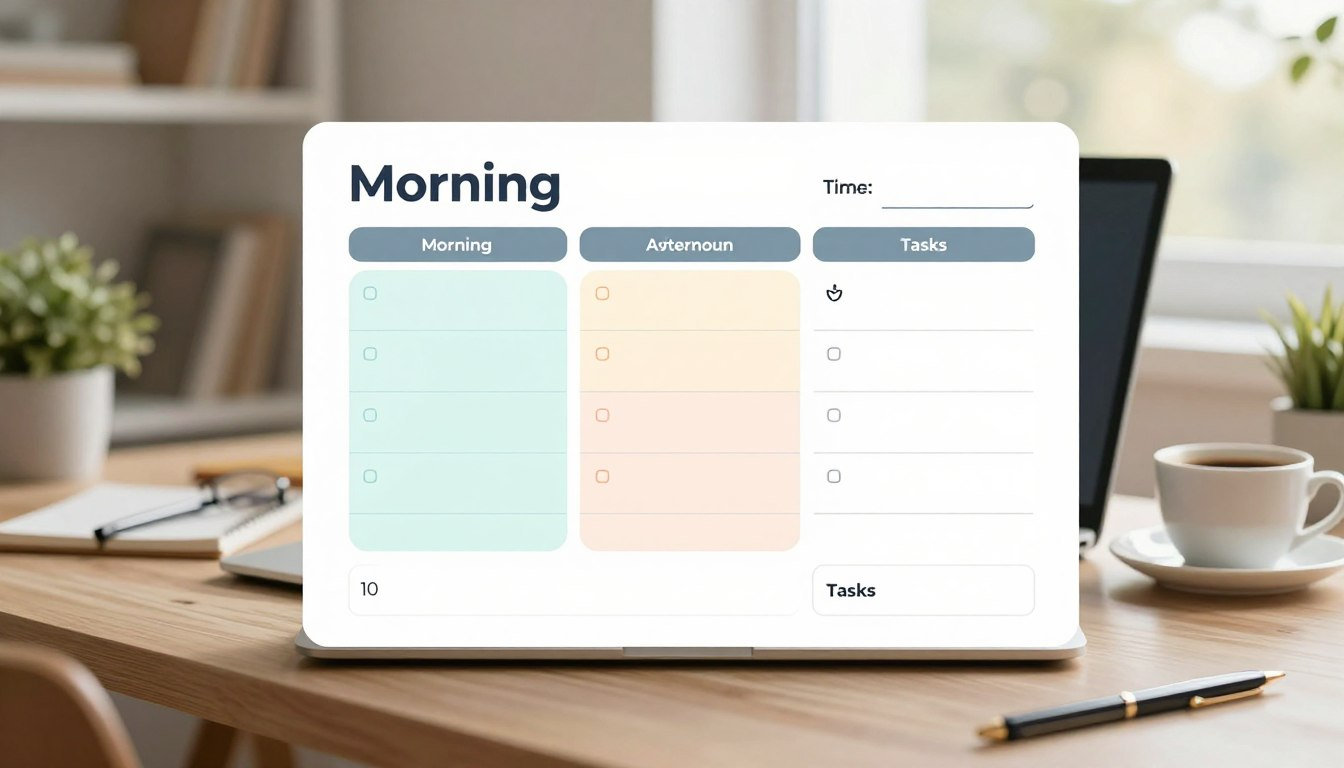
Do you ever feel like your hours just slip away without a clear plan? You might wonder if it is possible to reclaim your schedule without spending a lot of effort on a complex system.
According to popular sources, boxing is a planning technique that divides your day into specific units. This method helps you focus on one task at a specific period to boost motivation and maximize your output.
By setting aside just ten minutes each morning, you can transform how you handle daily tasks. It is about working smarter, not harder, to ensure your energy levels stay high throughout the day. You can take control of your busy life.
This approach increases your drive by giving you a clear roadmap. Using a simple layout, you will reach your goals and avoid burnout efficiently. Let’s explore how you can start this journey today.
- Organize daily tasks into specific boxes to increase focus.
- Boost motivation by following a clear, structured roadmap.
- Spend only ten minutes to plan an entire productive day.
What Is Time Blocking and How Does It Work
Time blocking can change how you work. It’s a way to plan your day into blocks for different tasks. This helps you focus and get more done.
The Basic Principle Behind Time Blocking
Time blocking means setting aside fixed times for tasks. This stops you from doing too many things at once. It helps you focus better.
Time blocking helps you plan your day. You decide when to do things, not just when they come up. It’s a smart way to manage your time.
How Time Blocking Differs from Traditional Scheduling
Time blocking is different from just making a to-do list. You pick specific times for tasks. This makes you more likely to do them.
It also means you’re really committing to your tasks. You promise to focus on them without distractions. This is a big part of time blocking.
Why Time Blocking Works for Beginners
Time blocking is great for beginners. It gives a clear way to manage your day. You can focus on what’s important and avoid putting things off.
It also helps you start a routine. This is key for becoming more productive. Time blocking is easy to adjust, making it perfect for beginners.
The Benefits of Using a Time Blocking System
Using a time blocking system can change your day. It lets you focus on tasks and manage your time well. You also get a better balance between work and life.
Time blocking helps you make a schedule that fits you. It’s great with time management templates. These templates give you a plan for your day.
Reduced Decision Fatigue Throughout Your Day
Decision fatigue is bad for productivity. It makes you tired and less focused. Time blocking reduces this by planning your day ahead.
By sticking to a schedule, you save mental energy. This lets you focus on important tasks better. You become more productive.
Increased Focus and Deep Work Sessions
Time blocking lets you work without distractions. This helps you do deep work. You can do better work and be more productive.
This way of working helps you make big progress. It’s great for tasks that need a lot of focus.
Better Work-Life Balance and Boundary Setting
Time blocking is not just for work. It helps you balance work and personal life. You can plan time for yourself and set clear boundaries.
This balance is key for your well-being. It stops burnout. By taking time for yourself, you come back to work refreshed.
Time Blocking Template for Beginners: Your Simple Daily Framework
Boost your efficiency with a beginner-friendly time blocking template. It gives you a simple way to manage your day. You can focus on tasks, feel less stressed, and get more done.
Morning Block: Focus Hours (6 AM – 12 PM)
The morning is for focus, from 6 AM to 12 PM. Do tasks that need deep thinking and creativity here. Avoid meetings and distractions to stay focused.
Good tasks for the morning include:
- Responding to important emails
- Working on big projects
- Writing or creating content
Afternoon Block: Collaborative Hours (12 PM – 5 PM)
The afternoon is for team work, from 12 PM to 5 PM. This is when you meet, discuss, and brainstorm with others. Use this time for team activities and meetings.
| Time | Activity |
|---|---|
| 12 PM – 1 PM | Lunch Break |
| 1 PM – 3 PM | Team Meetings |
| 3 PM – 5 PM | Collaborative Projects |
Evening Block: Personal Time (5 PM – 10 PM)
The evening is for you, from 5 PM to 10 PM. Relax and get ready for tomorrow. You can exercise, spend time with loved ones, or work on hobbies.
Evening activities might be:
- Exercise or yoga
- Time with family or friends
- Working on hobbies
Downloadable Template Structure Breakdown
Start with a downloadable time blocking template. It has morning, afternoon, and evening blocks for a clear schedule.
The template includes:
- A daily schedule with blocks
- Space for notes and lists
- A section for reviewing your schedule
Use this template to make a beginner time blocking guide that works for you.
How to Plan Your Day in 10 Minutes Using Time Blocking
Planning your day can be quick with time blocking. It helps you focus on what’s important and manage your time well. Just follow a few simple steps to make the most of your day.
Minute 1-3: Brain Dump Your Tasks and Commitments
Begin by writing down all your tasks and plans. This clears your mind and helps you remember everything. Include both work and personal tasks for a full view of your day.
Minute 4-6: Prioritize Using the Eisenhower Matrix
Then, sort your tasks with the Eisenhower Matrix. It divides tasks into four groups based on urgency and importance. Start with tasks that are both urgent and important.
Minute 7-9: Assign Tasks to Specific Time Blocks
Next, put your tasks in your calendar. Be honest about how long each task will take. Leave some extra time between tasks to adjust as needed.
Minute 10: Add Buffer Time and Review
Lastly, add some extra time for surprises. Check your schedule to make sure it’s doable. Make changes if needed to keep your day balanced and productive.
Here’s an example of how time blocking works:
| Time Block | Task | Duration |
|---|---|---|
| 8:00 AM – 9:00 AM | Morning Routine | 1 hour |
| 9:00 AM – 10:30 AM | Project Work | 1.5 hours |
| 10:30 AM – 10:45 AM | Buffer Time | 15 minutes |
| 10:45 AM – 12:00 PM | Meetings | 1.25 hours |
By using these steps and a time blocking template, you can plan your day in 10 minutes. This method keeps you focused and helps you balance work and life.
Essential Time Blocking Techniques to Maximize Your Efficiency
To get more done, use advanced time blocking. It helps you plan better and work smarter.
Theme Days for Consistent Weekly Structure
Theme days mean setting aside days for certain tasks. It makes planning easier and keeps your schedule steady.
For example, Mondays for meetings, Tuesdays for creative work, and Wednesdays for admin tasks. This way, you:
- Make fewer decisions each day
- Focus better on specific tasks
- Get more done by following a routine
Task Batching to Minimize Context Switching
Task batching groups similar tasks together. It cuts down on switching between tasks, saving your energy.
For example, do all your phone calls at once. Or check emails at set times. This way, you:
- Save mental effort by doing similar tasks together
- Work more efficiently by avoiding constant switching
Energy-Based Scheduling for Peak Performance
Energy-based scheduling plans your day based on when you have the most energy. It helps you do your best work.
Here’s a table to help plan your day based on energy:
| Energy Level | Task Type | Time of Day |
|---|---|---|
| High | Most important and challenging tasks | Morning (e.g., 8-11 am) |
| Medium | Administrative and routine tasks | Afternoon (e.g., 11 am-3 pm) |
| Low | Less demanding tasks or breaks | Late Afternoon (e.g., 3-5 pm) |
Matching tasks with your energy levels boosts your efficiency and results.
Choosing the Right Time Blocking Method for Your Lifestyle

When you start a time blocking schedule, it’s not one size fits all. Everyone has different needs and work styles. You need a plan that fits you.
How well you use time blocking depends on how it fits your life and work. Let’s look at different ways to block time. This will help you find the best method for you.
Fixed Time Blocking for Predictable Schedules
Fixed time blocking is great for people with set schedules. You set aside time for tasks without breaks. It works well for:
- Professionals with regular office hours
- People with daily routines
- Those who like a structured day
Flexible Time Blocking for Variable Workdays
If your work days change, flexible time blocking is better. You can change your schedule as needed. It’s good for:
- Freelancers with changing workloads
- Remote workers with flexible hours
- Entrepreneurs with many projects
Timeboxing for Deadline-Driven Projects
Timeboxing is like time blocking but with strict time limits. It’s perfect for tasks with deadlines. It helps you:
- Focus on important tasks
- Work better under pressure
- Manage many projects at once
Day Theming for Multi-Role Professionals
Day theming means setting aside days for specific tasks. It’s great for people with many roles. It helps you:
- Focus on certain areas
- Organize tasks by theme
- Work better with many roles
Knowing these time blocking methods helps you pick the right one. This leads to a more efficient time blocking schedule.
Building Your Custom Time Blocking Planner
To get the most out of time blocking, you need a planner that fits your unique needs. A custom time blocking planner is not just a tool; it’s a personal productivity system. It should be tailored to your lifestyle, preferences, and goals.
Selecting Digital Tools vs. Paper Planners
The first step in building your custom time blocking planner is deciding between digital tools and paper planners. Both have their advantages and disadvantages.
- Digital Tools: Apps like Google Calendar and Clockify offer flexibility, reminders, and the ability to sync across multiple devices. They’re ideal for those who prefer a dynamic schedule and need to collaborate with others.
- Paper Planners: Physical planners provide a tactile experience, allowing for more creative expression and better retention of information. They’re perfect for those who enjoy handwriting their schedules and tasks.
Consider your personal preferences and work style when making this decision. You might also consider a hybrid approach, combining the benefits of both digital and paper systems.
Setting Up Your Weekly Time Blocking Schedule
Once you’ve chosen your planner type, it’s time to set up your weekly time blocking schedule. Start by identifying your fixed commitments, such as work hours, classes, or regular appointments.
- Begin with your most important tasks and allocate specific time blocks for them.
- Schedule breaks and self-care activities to maintain a healthy work-life balance.
- Leave some buffer time for unexpected tasks or interruptions.
Review and adjust your schedule regularly to ensure it remains aligned with your priorities.
Color-Coding Systems for Visual Organization
A color-coding system can significantly enhance the visual organization of your time blocking planner. By assigning different colors to various categories of tasks or activities, you can quickly identify your schedule’s structure at a glance.
- Use one color for work-related tasks.
- Assign another color for personal activities.
- Choose a distinct color for family commitments or social events.
This visual differentiation helps in maintaining a clear overview of your time allocation across different areas of your life.
Practical Time Management Templates for Different Scenarios

Using time management templates can really help you get more done. They come in many types to fit different lives and jobs.
Everyone needs a schedule that fits them. This could be for office workers, remote workers, students, or entrepreneurs. The right template can make you more productive and less stressed.
9-to-5 Office Worker Template
Office workers can use a structured template to work better and have a good life outside work. A 9-to-5 worker’s template might look like this:
| Time Block | Activity |
|---|---|
| 9:00 AM – 9:30 AM | Morning routine and planning |
| 9:30 AM – 12:00 PM | Focused work session |
| 12:00 PM – 1:00 PM | Lunch break |
| 1:00 PM – 3:00 PM | Meetings and collaborations |
| 3:00 PM – 5:00 PM | Task-oriented work |
Remote Professional with Flexible Hours Template
Remote workers have flexible hours but might find it hard to separate work from personal life. Their template should have flexible blocks for their best work times.
Key features of a remote professional’s template:
- Flexible start and end times
- Core work hours for team collaboration
- Focused work blocks
- Regular breaks
Student Balancing Classes and Study Time Template
Students face special challenges with classes and study needs. A student’s template helps balance school with other activities.
A student’s template might include:
- Class schedules
- Dedicated study blocks
- Breaks for relaxation and self-care
- Time for extracurricular activities
Entrepreneur Managing Multiple Projects Template
Entrepreneurs handle many projects at once, needing good organization. Their template helps sort tasks across projects.
| Project | Task | Time Block |
|---|---|---|
| Project A | Client meeting | 9:00 AM – 10:00 AM |
| Project B | Marketing strategy | 10:00 AM – 12:00 PM |
| Project A | Task execution | 1:00 PM – 3:00 PM |
Overcoming Common Time Blocking Challenges
Time blocking is great, but it has its own set of challenges. These can make it less effective. But, with the right strategies, you can overcome these hurdles.
Handling Unexpected Interruptions and Urgent Tasks
One big challenge is dealing with sudden interruptions and urgent tasks. Here are some tips to help:
- Leave buffer time: Always add some extra time between tasks for unexpected things.
- Prioritize tasks: Use the Eisenhower Matrix to quickly see if new tasks are urgent and important.
- Batch similar tasks: Group similar tasks together to cut down on switching between tasks and reduce interruptions.
For example, set aside a specific time each day to check and answer emails. This way, you won’t be doing it all day.
Dealing with Overambitious Planning
Another challenge is planning too much. When tasks take longer than expected, it can be frustrating. Here’s how to avoid this:
- Be realistic about how long tasks will take. Add extra time to your estimates for unexpected delays.
- Check your task list often and adjust your schedule as needed.
- Focus on the most important tasks first. Be okay with delaying less important ones.
Keeping a task log can help you see how long tasks really take. This makes your estimates more accurate in the future.
Staying Flexible Without Abandoning Your Schedule
Being flexible is key with time blocking. Life is unpredictable, and being too strict can lead to burnout. Here’s how to stay flexible:
- Regularly check your schedule and make changes as needed.
- Try a flexible time blocking approach. Allocate broad time slots for different types of tasks instead of specific tasks.
- Set your priorities daily. This lets you adjust your schedule based on changing needs.
For example, instead of setting a specific task from 2 PM to 3 PM, block out 2 PM to 4 PM for “focused work.” This way, you can change the specific tasks within that block based on what’s most important.
Here’s a look at different time blocking strategies for staying flexible:
| Strategy | Description | Flexibility Level |
|---|---|---|
| Fixed Time Blocking | Scheduling specific tasks at fixed times | Low |
| Flexible Time Blocking | Allocating broad time slots for task categories | High |
| Timeboxing | Setting a fixed, uninterrupted time block for a task | Medium |
By understanding these challenges and using strategies to overcome them, time blocking can become a powerful tool for productivity.
Tools and Resources for Efficient Time Blocking

To make your time blocking better, use the right tools and resources. The right tools help you plan better, stay organized, and work more efficiently.
Many digital tools and printable templates can help with time blocking. Let’s look at some good options.
Google Calendar Time Blocking Setup
Google Calendar is great for time blocking. Start by making separate calendars for different tasks or events. This lets you switch between schedules easily.
Key Steps:
- Create separate calendars for work, personal life, and other areas.
- Use colors to show different activities.
- Set reminders and notifications to stay on track.
- Share calendars with others when needed.
Notion and Trello Templates for Time Blocking
Notion and Trello are powerful tools for time blocking. They let you create a system that fits you.
Notion Templates:
- Use a calendar template to see your schedule.
- Make task databases to keep track of your tasks.
- Customize with drag-and-drop features.
Trello Templates:
- Use boards, lists, and cards to organize tasks.
- Apply labels and due dates for better task management.
- Connect with other apps for more features.
Both Notion and Trello are flexible and can be used in many ways.
Free Printable Time Blocking Templates
If you like paper, there are free printable templates online. They help you plan your day, week, or month.
Benefits of Printable Templates:
- They offer a hands-on experience.
- They can be customized to fit your needs.
- They don’t need a device or internet.
You can find free printable templates on productivity blogs and organizational websites.
Choose between digital tools and printable templates based on what you like. Some like digital tools for their flexibility. Others prefer paper for a hands-on feel.
| Tool | Key Features | Best For |
|---|---|---|
| Google Calendar | Calendar sharing, reminders, color-coding | Those already using Google ecosystem |
| Notion | Customizable templates, task databases | Users seeking flexibility and customization |
| Trello | Boards, lists, cards, label system | Visual organizers and team collaborators |
| Printable Templates | Tactile experience, customizable, no digital dependency | Those preferring a hands-on approach |
Making Time Blocking a Sustainable Daily Habit
To make time blocking a daily habit, you need to be committed. Start with a schedule you can handle and then add more. This way, it becomes easier over time.
Starting with Three Core Blocks Per Day
First, pick your three most important tasks. Give each one a specific time slot. This could be your main work task, a personal activity, and time for self-care. These blocks help build your daily routine.
- Identify your top three daily priorities
- Allocate specific time blocks for each priority
- Commit to these core blocks daily
Weekly Review and Schedule Optimization
It’s important to review your schedule every week. Look at what worked and what didn’t. Then, change your schedule as needed.
- Review your past week’s schedule and task completion
- Identify areas for improvement
- Adjust your schedule for the upcoming week
Measuring Success and Adjusting Your Approach
To keep your time blocking working, track its success. Change your plan if needed. This way, you stay on track and keep improving.
Some important things to track are:
- Task completion rate
- Time spent on focused work
- Number of interruptions or schedule adjustments
By checking these regularly, you can make your time blocking better. This leads to more productivity and efficiency.
Conclusion
You now know how to make a time blocking schedule. This simple trick can change how you work and play. It helps you reach your goals faster.
A good time blocking schedule helps you focus and do what’s important first. It makes your day smoother and less stressful. Planning a bit each day can really pay off.
Try what you’ve learned, and you’ll see big changes. You’ll manage your time better and get more done. Take charge of your day and see your productivity rise.
FAQ
Q: What is a beginner time blocking guide and how do I start?
A: A beginner time blocking guide helps you plan your day. First, list your daily tasks. Then, map them onto a schedule. This makes sure you don’t overdo it before the day starts.
Q: How do time management templates improve daily productivity?
A: Time management templates give you a clear plan. They help you avoid the blank page problem. Tools like Notion and Trello make it easy to organize your tasks.
Q: What are the most effective time blocking techniques for deep work?
A: Effective techniques include task batching and day theming. These methods help you stay focused. They are great for complex tasks.
Q: Should I use a digital or a paper time blocking planner?
A: It’s up to you. Digital tools like Google Calendar are great for changes. But, some like a paper planner for a sense of accomplishment.
Q: How can I maintain a time blocking schedule when unexpected interruptions occur?
A: Be flexible. Add buffer blocks for unexpected calls. If needed, adjust your schedule without messing up your day.
Q: Is it possible to plan a full day in just 10 minutes using a time blocking template for beginners?
A: Yes, with practice, you can plan fast. Use a tool like the Eisenhower Matrix to prioritize. Then, fill your template with your top tasks.